Maasai Mara: Where Conservation Fuels Community Growth and Maasai Employment
The very name “Maasai Mara” conjures images of endless savannahs, the thunderous Great Migration, and majestic wildlife roaming free. It’s a destination renowned globally for its unparalleled biodiversity and breathtaking natural beauty. But beyond the iconic landscapes and incredible wildlife, lies a deeper, more crucial story: the interconnected destiny of the Maasai Mara ecosystem and its original custodians, the Maasai people.
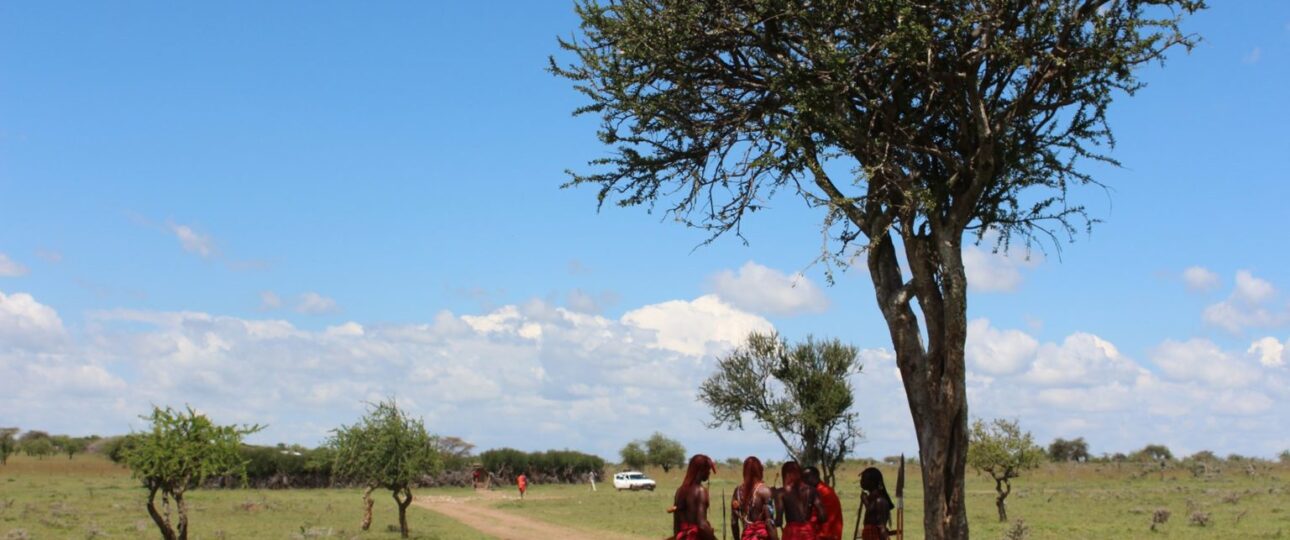
For centuries, the semi-nomadic Maasai have coexisted with the wildlife of this region, their traditional pastoralist lifestyle deeply intertwined with the rhythms of the land. However, modern pressures – from climate change and human-wildlife conflict to land fragmentation and the demands of a growing population – pose significant challenges to both the ecosystem and the Maasai way of life.
This is where progressive conservation initiatives step in, not just to protect the animals and habitat, but to empower the very communities whose lives depend on it. And at the heart of this empowerment are employment opportunities that directly link conservation success with sustainable livelihoods for the Maasai people.
Why Employment is the Backbone of Sustainable Conservation
True, lasting conservation cannot happen without the active participation and benefit of local communities. When communities are excluded or face economic hardship, they are less likely to support conservation efforts, sometimes even viewing wildlife as a threat to their livelihoods.
By contrast, when conservation provides tangible economic opportunities, it transforms local perception. Wildlife becomes an asset, a reason for community members to become active partners and guardians of their land. It offers alternative income streams that reduce reliance on potentially unsustainable practices, fostering a sense of ownership and pride in protecting their heritage.
Diverse Employment Opportunities in Maasai Mara Conservation:
For the Maasai people, conservation isn’t just an abstract concept; it’s becoming a viable career path, offering a range of roles that harness traditional knowledge alongside modern skills:
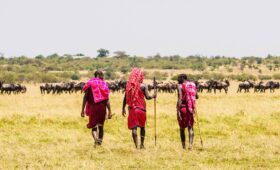
Wildlife Rangers & Community Scouts: Perhaps the most direct link, Maasai men and women are employed as rangers and scouts by conservancies and wildlife management bodies. Their intimate knowledge of the land, tracking skills, and understanding of local dynamics are invaluable in anti-poaching efforts, monitoring wildlife, and mitigating human-wildlife conflict. These roles are not just jobs; they are critical lines of defense for the Mara’s precious wildlife.
Ecotourism Guides & Cultural Interpreters: With their deep understanding of the ecosystem, wildlife behavior, and rich cultural heritage, Maasai individuals make exceptional safari guides. Many lodges and camps prioritize hiring Maasai guides who can offer guests unparalleled insights into both the natural world and their vibrant culture, creating more authentic and enriching visitor experiences.
Community Liaison & Development Officers: These roles are vital bridges between conservation organizations, tourism operations, and local Maasai communities. They facilitate communication, help resolve conflicts, ensure fair benefit sharing, and engage communities in decision-making processes, ensuring that conservation initiatives are culturally sensitive and meet local needs.
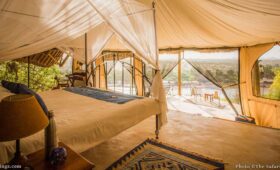
Lodge & Camp Staff: The booming ecotourism sector in the Maasai Mara provides numerous jobs beyond guiding. Maasai individuals are employed in various capacities within lodges and camps – from management and hospitality to chefs, housekeepers, and maintenance staff, often receiving training that builds valuable vocational skills.
Conservation Education & Outreach: Educating the next generation and current community members about the importance of conservation is key. Maasai educators work within schools and communities, sharing knowledge about biodiversity, sustainable practices, and the value of their natural heritage.
Sustainable Land Management & Rangeland Restoration: With traditional pastoralism under pressure, new roles are emerging in sustainable land management. Maasai individuals are trained in modern rangeland restoration techniques, rotational grazing practices, and water management, helping to improve pasture quality for their livestock while benefiting wildlife.
Artisans & Entrepreneurs: Beyond direct employment, the rise of conscious tourism creates a market for authentic Maasai crafts. Initiatives support local artisans, empowering them to create and sell their traditional beadwork, carvings, and textiles, providing a direct income stream that celebrates their culture.
The Ripple Effect: Beyond the Paycheck
These employment opportunities do more than just provide a salary. They:
Empower individuals: Fostering pride, respect, and a sense of purpose.
Build capacity: Providing training, education, and skill development that extends beyond the current role.
Support families: Enabling access to education, healthcare, and improved living standards.
Strengthen communities: Fostering economic stability and reducing reliance on external aid.
Reinforce conservation ethics: Creating powerful advocates for wildlife protection within their own communities.
When you choose to visit the Maasai Mara, know that your journey can contribute to more than just an unforgettable safari. By supporting conservancies, lodges, and tour operators that genuinely invest in the Maasai people through fair employment and community programs, you become an integral part of a powerful story – where the majestic wild is preserved, and the guardians of the land thrive alongside it.
The Maasai Mara is a testament to the power of nature, but its lasting legacy will be built on the strength and empowerment of its people.