Discover the Rich Culture of the Maasai People: A Journey into Tradition and Resilience
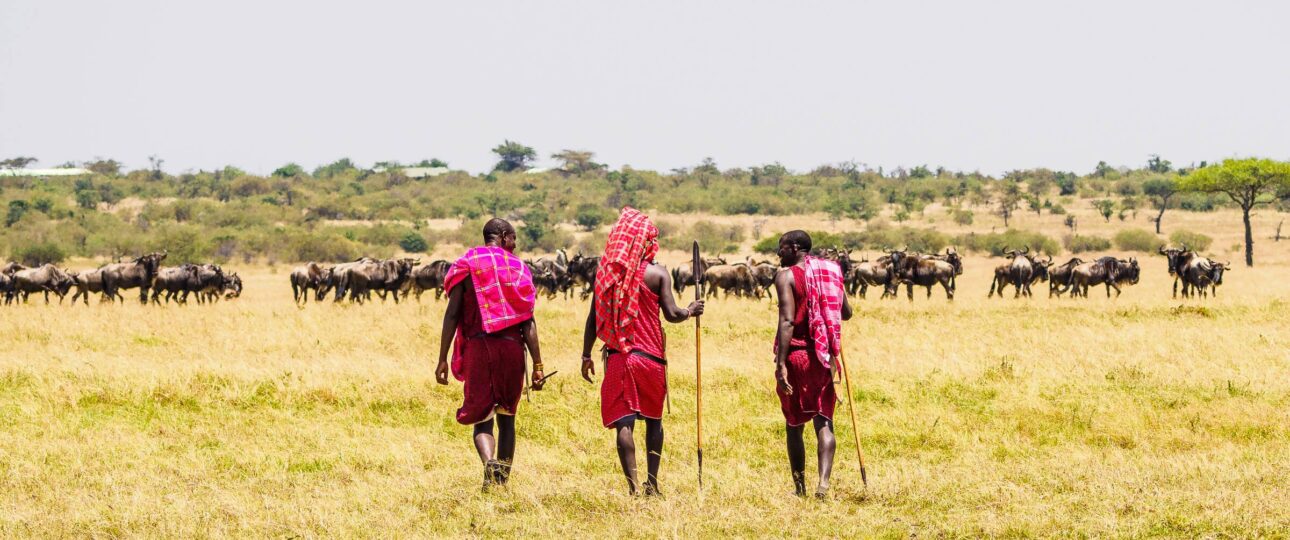
Imagine the vast, sun-drenched plains of East Africa, where the iconic red shuka of a Maasai warrior stands out against the horizon. This indelible image has captivated the world, yet it offers only a glimpse into the profound and vibrant culture of the Maasai people. Far from a mere visual, their way of life is a living tapestry woven with deep traditions, an unbreakable bond with nature, and an inspiring resilience that has stood the test of time.
Let’s journey into the heart of what makes the Maasai culture so extraordinarily rich.
The Heartbeat of Life: Pastoralism and Cattle
At the very core of Maasai identity is their pastoralist lifestyle, centered entirely around cattle. For the Maasai, cattle are not merely livestock; they are a sacred gift from Engai (God), a symbol of wealth, status, and the very sustenance of life. Every aspect of their existence is intertwined with their herds:
Sustenance: Their traditional diet primarily consists of milk, blood, and meat.
Social Fabric: Cattle are used for bride prices, ceremonies, and as a measure of a family’s prosperity.
Spiritual Connection: They believe that all cattle on Earth were given to them by God, fostering a profound spiritual connection to their herds.
A Kaleidoscope of Color: Attire, Beadwork, and Expression
The Maasai are instantly recognizable by their distinct and vibrant attire, which is deeply imbued with cultural significance.
The Shuka: The iconic red cloth, known as a shuka, is not just clothing; it offers practicality, protection from the elements, and symbolizes the warrior’s courage. Other colors are also seen, each with its own meaning.
Elaborate Beadwork: Women, in particular, are renowned for their intricate beadwork, which adorns jewelry such as necklaces, bracelets, and headbands. These colorful patterns are not just decorative; they convey a person’s age, social status, marital status, and even personal stories.
Adumu – The Jumping Dance: The Maasai are famous for their Adumu or “jumping dance,” a powerful display of strength, agility, and endurance performed by warriors. Accompanied by rhythmic chanting, it’s a breathtaking spectacle of celebration and cultural pride.
Pillars of Community: Age-Sets and Wisdom
Maasai society is deeply communal, structured around a complex age-set system that guides individuals through different stages of life, from junior warriors (morans) to respected elders.
Morans (Warriors): Young men undergo rigorous training and rites of passage to become morans, responsible for protecting their community and cattle. This period emphasizes courage, discipline, and communal responsibility.
Elders: As men age, they transition into elderhood, becoming revered for their wisdom, experience, and role in community governance and dispute resolution.
Women’s Role: Maasai women play a vital role in society, managing the household, raising children, constructing homes, and creating the beautiful beadwork that defines their culture.
A Profound Connection to Land and Spirituality
The Maasai possess a profound spiritual connection to their ancestral lands and the wildlife that inhabits them. They view themselves as stewards of the land, living in harmony with nature rather than seeking to dominate it.
Engai (God): Their monotheistic belief centers on Engai, who manifests in both red (benevolent) and black (sometimes wrathful, often associated with rain) forms, and is the source of all life and sustenance.
Respect for Nature: This deep respect for their environment has historically made them effective conservationists, living alongside the vast wildlife of the Serengeti and Maasai Mara.
Resilience in a Changing World
Despite the pressures of modernity, land encroachment, and the challenges of a rapidly changing world, the Maasai have demonstrated remarkable resilience. They are actively seeking ways to adapt while fiercely preserving their cultural identity, language (Maa), and core traditions.
The Maasai culture is more than just an exotic image; it is a living, breathing testament to the power of tradition, community, and an unbreakable bond with nature. It’s a culture that reminds us of the strength found in ancestral wisdom and the beauty of living in harmony with one’s environment.
Next time you see an image of a Maasai warrior or hear about the vast plains of East Africa, remember the depth, the beauty, and the enduring spirit of this remarkable people. Let us appreciate and learn from the rich tapestry that is the Maasai way of life.